
ICVInternal Combustion Vehicle
- Limited OEM R&D investment
- A shrinking model portfolio
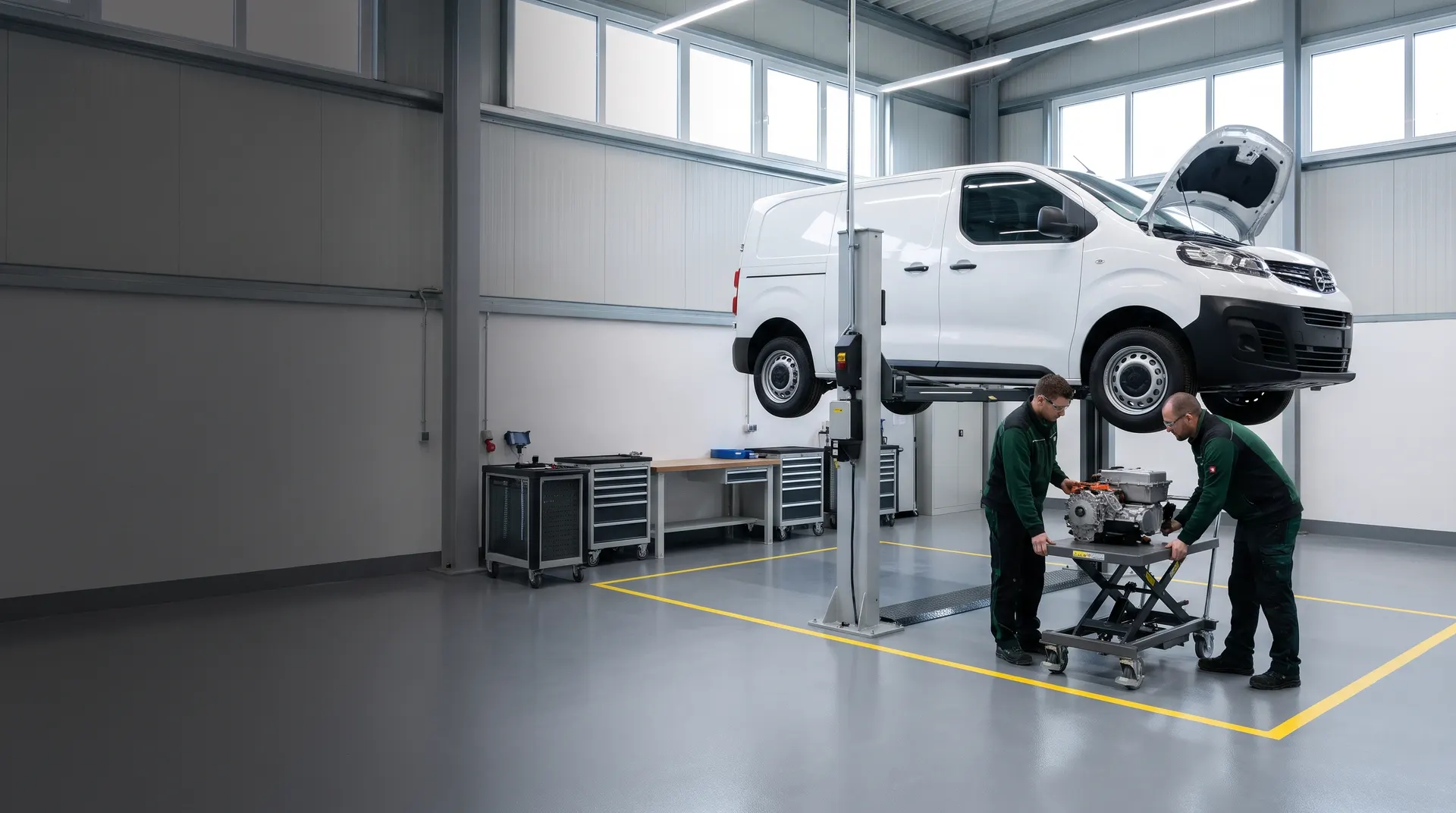
EREV Retrofit
An extended-range electric vehicle always drives on its electric motor. A compact engine works only as a generator, recharging the battery on the move.
A retrofit begins with the vehicles already on the road and a compact plant, so a program can start before a full EV plant is built. It trains the local workforce and builds the brand on the way.
It runs on the same package: training center, after-sales network and charging.
See the EV PackageEREV takes the advantages of combustion and battery electric vehicles and leaves most of their limits behind.
ICVInternal Combustion Vehicle
EVBattery Electric Vehicle
EREVExtended-Range Electric Vehicle
Major OEMs hesitate to enter this segment: demand is limited and R&D spending is high. A retrofit closes the gap with vehicles already on the road.
Financial Advantage
An entirely new powertrain can be integrated into existing vehicles at approximately 20-30% of the cost of purchasing new vehicles.
Operating costs can be reduced by 27% compared with conventional ICE vehicles and by 7% compared with EVs. Extended driving range per refuelling makes EREVs well suited to logistics operations.
The move to an EV-based powertrain simplifies maintenance procedures, drawing on the serviceability and reduced maintenance requirements of electric vehicles.
EREV conversion opens the vehicle to advanced fleet management: remote vehicle monitoring, driver data analytics and intelligent logistics solutions.
Deployment is split cleanly: we carry the R&D and the setup, and the local partner carries the plant and day-to-day operations.
Gooler Mobility
Comprehensive engineering and system preparation to enable EREV retrofitting.
Local Partner
Execution of EREV retrofits, followed by ongoing operations and maintenance.
A powertrain retrofit is a complete engineering program. It typically takes three to four years. Gooler delivers in under two, building on EREV R&D since 2022.
The system is engineered at production scale, not as one-off conversions. Hyundai Motor development standards are applied throughout, and the design targets global regulatory, safety and environmental compliance, including U.S. requirements.
Core Technologies
| No. | Technology | Key Function |
|---|---|---|
| 01 | VCUVehicle Control Unit | Centralized powertrain and energy management. |
| 02 | BMSBattery Management System | Battery monitoring, protection and charge control. |
| 03 | Motor and MCUMotor Control Unit | Electric propulsion and precise torque control. |
| 04 | PDUPower Distribution Unit | High-voltage power distribution and protection. |
| 05 | LDCDC-DC Converter | High-to-low voltage conversion. |
| 06 | OBCOn-Board Charger | AC-to-DC conversion for battery charging. |
| 07 | AC/DC ChargingCharging System Development | AC/DC charging interface and control integration. |
| 08 | Regenerative BrakingCooperative Control | Coordinated braking and energy recovery. |
| 09 | e-Powertrain HW/SWSystem Development | Integrated powertrain hardware and software engineering. |
| 10 | CAN NetworkNetwork Development | Vehicle communication and ECU integration. |
The conversion process is designed for a compact plant that a local partner can staff and run.
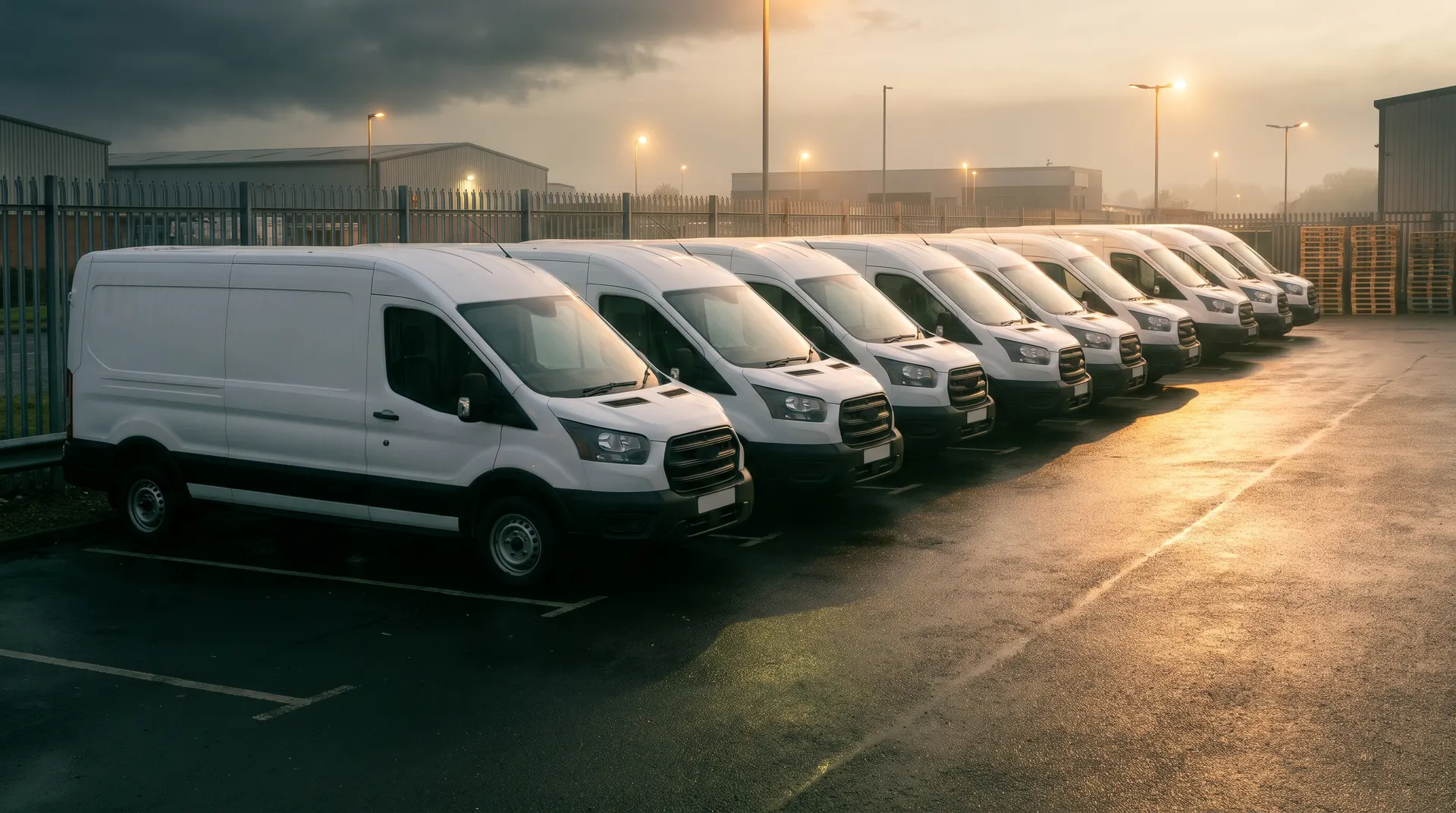
Vehicle inspection and pre-conversion preparation.
Removal and reconfiguration of existing powertrain components.
Installation of the electric motor and reduction gear.
Installation of the battery pack and high-voltage systems.
Integration of the engine-generator unit.
ECU installation, software integration and system calibration.
System testing, performance verification and final inspection.
A compact, cost-efficient facility built around our pre-engineered EREV retrofit kits, planned for 1,000 vehicles a year. Land, floor area, workstations and staffing are in the factory specification pack, available on request.
Request the Factory Pack
Gooler enables not only the EREV retrofit, but the digital operations that scale it.